What Users Can Tell You Before Formal Validation
For many medical devices, the first time companies hear from real users is after the product has already been designed. By then, the design is already too expensive to change.
Early discovery research can be a high-impact, low-cost way to reduce risk. These early insights can help ensure a product is not only compliant, but safe and effective in the hands of the people who will ultimately use it.
Surfacing Early Insights
Many useful insights can emerge before simulated-use testing is conducted. The “discovery” stage in the product lifecycle may evaluate the likelihood of adoption, determine how a product integrates into existing routines, and pinpoint the unaddressed pain points a design must solve, uncovering the variables that may otherwise go unnoticed.
Surfacing these insights early reduces the likelihood of surprises that would impact the design later. This proactive approach increases confidence going into formalized testing, a phase which inherently requires more users, more time, and larger budgets.
The Scenario
To demonstrate this perspective, consider the development of an at-home A1C testing kit, a product used to measure a person’s average blood sugar levels over the previous ninety days. To use this device, users perform a fingerstick to collect a small blood sample, and the handheld A1C monitor provides a digital reading within minutes.
Using this early-stage approach, we can de-risk the user interface and instructional strategy long before the design is finalized.

An A1C testing kit is a common off-the-shelf product intended for home use
Mapping the Journey
Before deploying research, the intended user journey can be mapped. This surfaces the assumptions and mental models held by stakeholders. Identifying these touchpoints helps guide where research should focus.

Translating Stakeholder Questions → User Research Questions
The most valuable research doesn’t just ask users for their opinions. Instead, it translates internal stakeholder anxieties into structured questions that reveal real human behavior. Strategic discovery turns the “burning questions” from engineering, regulatory, and marketing teams into a diagnostic tool.
Target Focus |
Stakeholders Ask |
Research Goal |
We Ask Users |
| Trust & Legitimacy | “Will users trust this?” | Uncover what users associate with “professional” vs. “consumer” quality | “How confident are you that this result would be accurate? What, if anything, makes you feel hesitant?” |
|
Accuracy & Validation
|
“Is FDA language necessary? Do we need clinical validation claims?”
|
Determine what level of “proof” a user requires before they believe a result is accurate |
“What are your impressions of this language? Does it impact your confidence in the product?”
|
|
Results Interpretation
|
“Will users understand their results? Will they take appropriate next steps?”
|
Learn how users find meaning in numbers and what actions they take |
“If the screen displays 6.1% what does that mean to you? What would you do after seeing this result?”
|
Transforming Results → Actionable Recommendations
Data only creates value when it informs design. By identifying assumption gaps early, teams can refine the product before reaching expensive validation stages.
Case in Point: When “Common Sense” is a Regulatory Risk
While the engineering behind the A1C monitor may be sound, users may not necessarily know the clinical significance of a 7.8% versus a 6.3% reading off the top of their head. Early discovery research may reveal that these values are not common sense. When asked how they would interpret these numbers, users may reveal that they would consult the Instructions for Use (IFU), the product labelling, or an online search. This finding confirms that a data point without context creates a friction point, potentially leading users to seek additional clarity.
To align with these mental models, important results interpretation information should be placed where users naturally look for answers. For example, providing a detailed results breakdown in the IFU, alongside a note to report their results to a healthcare professional, gives users all the information they need to interpret their results and take the appropriate next steps without having to turn to other sources. Furthermore, displaying the types of conditions that may impact the accuracy of a reading ensures that users have the necessary context before they even begin the test, reducing the likelihood of a misunderstood result.
The Risk of Late Discovery
If this interpretation lag is not discovered until formal simulated use testing, it may be revealed that the device times out and the screen goes blank while the user is still searching for the meaning of the result. To avoid the cost of a second test, users may rely on a potentially flawed memory of the number to make a treatment decision. Finding this flaw during formal testing transforms a preventable insight into a regulatory liability, forcing expensive, last-minute changes to the product, packaging, or both.

The Financial Advantage of Early Intervention
Surfacing these findings during discovery allows for product design or instructional design changes before manufacturing is finalized. Solutions such as prioritizing easily accessible and visible interpretation guides on the packaging, implementing a “Memory” feature on the device, or extending the display timeout can be addressed as simple graphic or software changes.
Addressing this early avoids the costs of halting production, modifying device design, scrapping printed materials, and re-running an entire validation study. The product would also be on track for a faster regulatory submission without worrying about late-stage redesigning and retesting.
Strategic Design Mitigations
Beyond interpretation logic, early-stage research can influence design in several key areas:
1. Reducing Cognitive Load
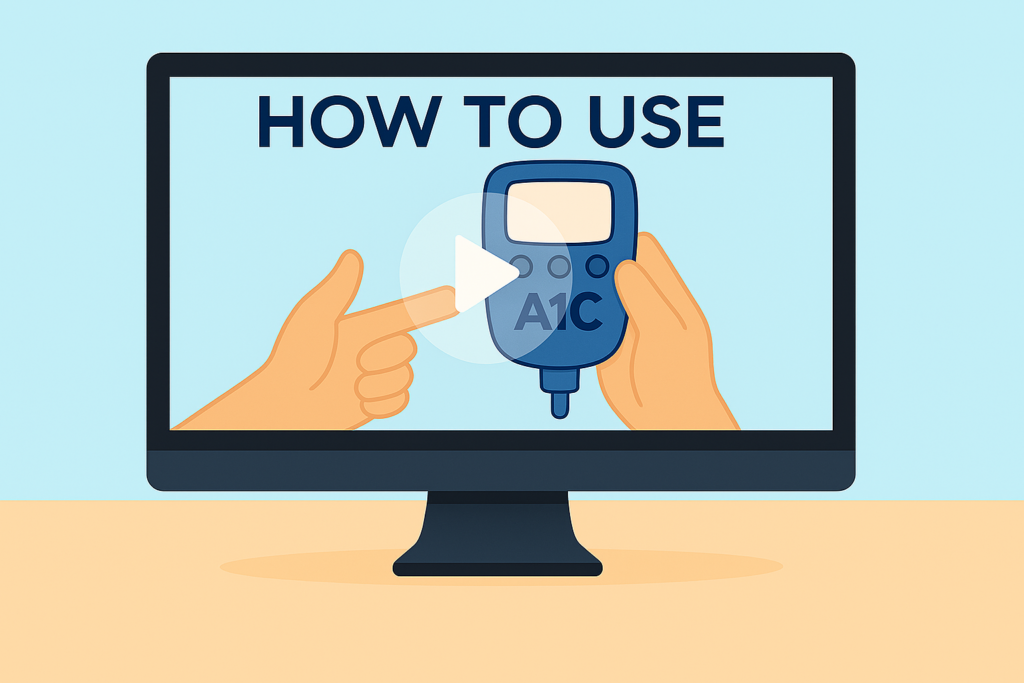
If users find instructions “intimidating,” the solution may include a visual-first Quick Start Guide, simplified language, or a QR code linked to a video demonstration.
2. Closing the Literacy Gap
If users struggle to interpret a raw number like 6.1%, design can introduce color-coded action scales (green/yellow/red) or clearer guidance to drive safe clinical follow-up.

Assigning appropriate color-coded values aligns with users’ mental models and draws attention to that area
3. Reinforcing Authority
If trust is a barrier, research helps determine the specific placement for agency-approved labels and clinical validation claims that resonate most with the end user.


Our Approach
At Root Cause Insights, we provide specialized early-stage user research for medical device companies navigating the path to regulatory submission. Through rapid insight testing using targeted clinician and patient interviews and surveys, we can answer your “burning questions” with insight from real users.
By identifying user friction early, we help you strengthen your design and ensure submission readiness before changes become costly or complex. Whether you are in early discovery or preparing for formative and validation studies, our team helps translate user insights into safer, more successful products.
Replacing assumptions with evidence doesn’t just improve usability. It improves outcomes.
This article was written by Gianna Maaddi